



SALE PROHIBITED TO PERSONS UNDER 18 - FREE SHIPPING FROM €40 (Mainland Spain only - Max. 25 Kg)
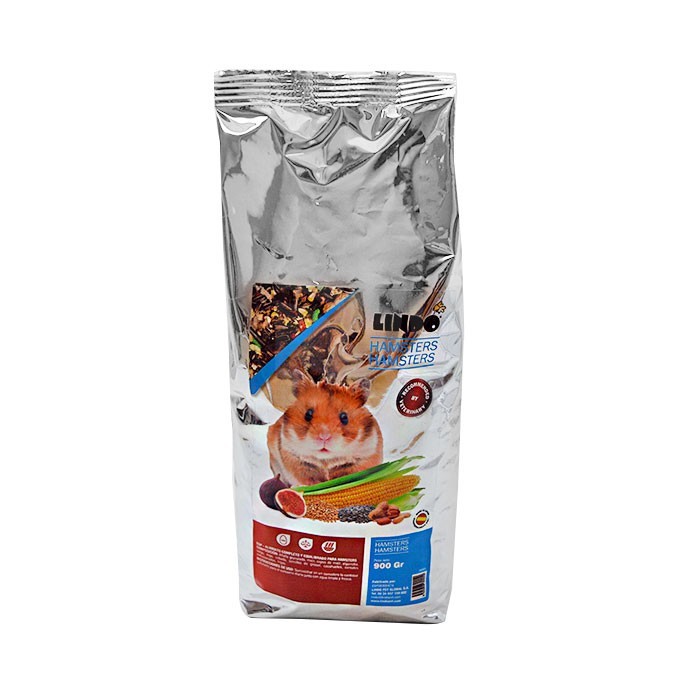
A mixture of seeds and cereals in a 900-gram presentation is still a common option for feeding hamsters. When choosing a mix of this amount, the same considerations I mentioned earlier remain valid. It is important that the mix provides balanced and adequate nutrition for your hamster.

 Envio GRATISA partir de 40 € (Solo península) y max. 25 Kg. 48/72 hs.
 Pago seguroPago seguro SSL (Secure Sockets Layer): BIZUM, Tarjetas de crédito, Criptomonedas
 Política de devoluciónSi tienes dudas, por favor, lee la Política de Devolución
Here is a reminder of some important aspects:
Variety of ingredients: Look for a mix that contains a variety of seeds and grains to ensure your hamster receives a range of nutrients.
Protein and fat ratio: Check that the mix has an adequate balance of protein and fat, as these are essential nutrients for your hamster's health and energy.
Avoid high-fat seeds: Make sure the mix is not dominated by high-fat seeds, such as sunflower seeds. These can be offered in moderation, but should not be the basis of the diet.
Supplements and additives: Some mixes may contain supplements and additives that are beneficial for your hamster's health, such as additional vitamins and minerals.
Avoid toxic foods: Make sure the mix does not contain ingredients that are toxic to hamsters.
Supplement with fresh foods: Although the mix is important, it is also essential to supplement with fresh foods, such as fruits and vegetables that are safe for hamsters.
Adequate amount: Feed the recommended amount according to the instructions on the package and avoid overfeeding.
Fresh water: Provide fresh and clean water at all times.
As your hamster grows, remember to monitor its health and weight to ensure it is receiving the right amount of food. The dietary needs of hamsters may vary depending on their age, size, and activity level. It is always a good idea to consult with a veterinarian specializing in small or exotic animals for specific recommendations about your hamster's diet.
A mixture of seeds and cereals in a 900-gram presentation is still a common option for feeding hamsters. When choosing a mix of this amount, the same considerations I mentioned earlier remain valid. It is important that the mix provides balanced and adequate nutrition for your hamster.
Hamster Mix 900 g