SALE PROHIBITED TO PERSONS UNDER 18 - FREE SHIPPING FROM €40 (Mainland Spain only - Max. 25 Kg)
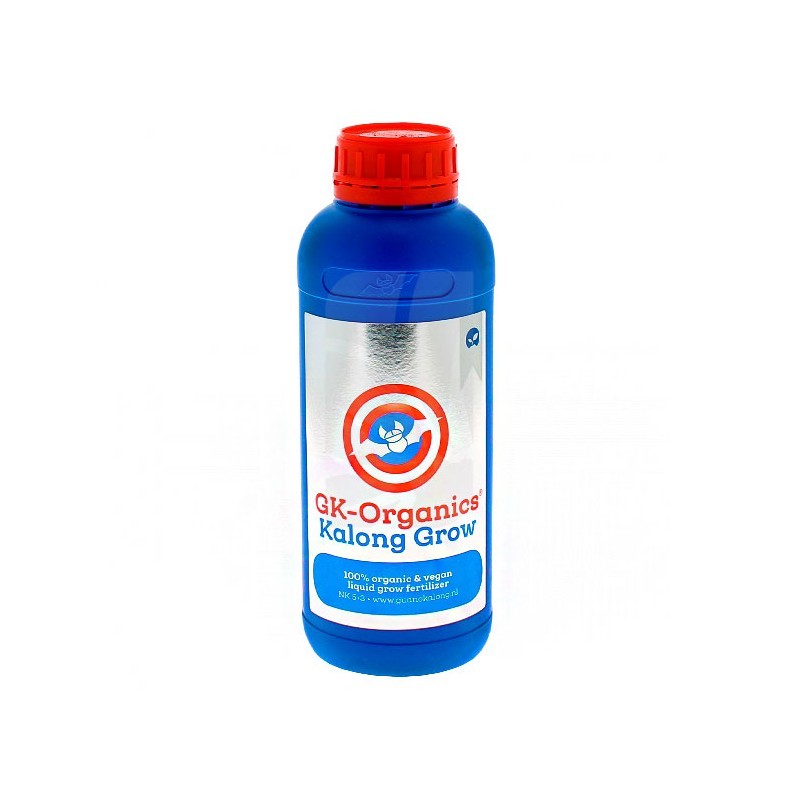
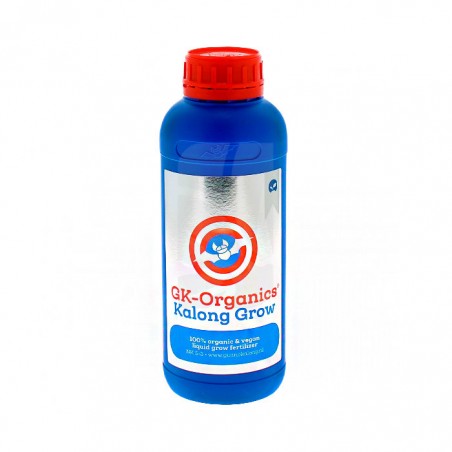
1 liter bottle of liquid guano from Guanokalong, for self-cultivation of cannabis. It is a liquid organic fertilizer produced from bat guano.
Bat guano is a naturally nutrient-rich excrement that accumulates in bat colonies in caves or rocky structures.
It is highly valued as a fertilizer due to its balanced content of essential macro and micronutrients for plant growth.

 Envio GRATISA partir de 40 € (Solo península) y max. 25 Kg. 48/72 hs.
 Pago seguroPago seguro SSL (Secure Sockets Layer): BIZUM, Tarjetas de crédito, Criptomonedas
 Política de devoluciónSi tienes dudas, por favor, lee la Política de Devolución
This liquid fertilizer is diluted in water and can be applied to plants through irrigation or foliar spraying.
As an organic product, it is environmentally friendly and does not contain harmful synthetic chemicals.
However, it is important to follow the usage instructions provided by the manufacturer to avoid overapplication and ensure successful use in plant cultivation.
The instructions provided by Guanokalong indicate that you should water once a week with 2 ml of bat guano per liter of water during the flowering stage
100% Bat Guano and Seabird Manure
6% Potassium
2.5% Nitrogen.
It is a 100% organic fertilizer that provides nutrients, amino acids, trace elements, and minerals necessary for the development and flowering of plants. This can result in longer branch growth to accommodate a greater number of flowers, as well as compact, resinous, and large buds.
An additional advantage of this fertilizer is that, being organic, it helps protect the crop against possible over-fertilization. It does not contain excessive amounts of minerals, which means that even if you go a little over the dose, the plants will not suffer any excess and the roots will not be harmed.
1 Liter Liquid Guano Guanokalong at Grow Shop web - Hydroponics Blanes
For every purchase, you will receive an email with a 5% discount code for your next order.
We ship throughout Spain in 24/48h.
Liquid guano, as an organic fertilizer, provides a number of benefits for crops. Here are some of them:
1. Balanced nutrients: Liquid guano contains a variety of essential nutrients, including nitrogen, phosphorus, potassium, and micronutrients. These nutrients are fundamental for healthy plant growth and the development of flowers, fruits, and vegetables.
2. Improves soil fertility: Liquid guano helps improve soil fertility by providing high-quality organic nutrients. This promotes beneficial microbial activity in the soil and improves its structure, water retention, and long-term nutrient holding capacity.
3. Stimulates growth and production: The nutrients present in liquid guano promote vigorous plant growth, resulting in increased production of flowers, fruits, and vegetables. It can also encourage the development of strong roots and more extensive root systems.
4. Increases resistance to diseases and stress: The nutrients and compounds present in liquid guano strengthen plant health, making them more resistant to diseases, pests, and stress conditions such as drought or frost. This helps keep crops healthy and productive throughout the growing season.
5. Improves product quality: The use of liquid guano can result in higher quality products. For example, in fruit and vegetable crops, it can improve the taste, color, and texture of the final products. In the case of flowers, it can promote larger, showier, and longer-lasting blooms.
6. Environmentally friendly: Liquid guano is an organic fertilizer, which means it does not contain synthetic chemicals harmful to the environment. This makes it a more ecological and sustainable option for crop care.
Yes, in general, Guanokalong liquid guano can be combined with other fertilizers, as long as some important guidelines are followed. Here are some points to keep in mind:
1. Nutrient compatibility: Before combining fertilizers, it is important to check the compatibility of the nutrients and avoid mixtures that may cause unwanted reactions or precipitations. Some fertilizers may contain ingredients that are not compatible with liquid guano, so it is advisable to read the product labels and consult the manufacturer's recommendations.
2. Proper proportions and doses: When combining fertilizers, it is essential to adjust the proportions and doses to avoid overfeeding or nutrient imbalance. Follow the manufacturer's recommendations for each fertilizer and consider the specific needs of your plants and crops. You may need to adjust the amounts and frequency of application to ensure an adequate supply of nutrients without excesses.
3. Small-scale testing: It is always advisable to carry out a test in a small area or on a limited number of plants before applying a combination of fertilizers to the entire crop. This will allow you to observe the response of the plants and ensure that the combination does not cause negative effects, such as nutrient burn or root damage.
4. Observation and adjustment: During the combined application of fertilizers, it is important to carefully observe the plants and be alert to any signs of stress or nutritional imbalance. If you notice any problems, you can adjust the proportions or doses of the fertilizers as necessary.
Remember that each crop and situation may be different, so it is advisable to consult the specific recommendations of the manufacturer and, if necessary, seek the advice of agricultural fertilization experts to obtain the best results when combining fertilizers.
You might also like
1 liter bottle of liquid guano from Guanokalong, for self-cultivation of cannabis. It is a liquid organic fertilizer produced from bat guano.
Bat guano is a naturally nutrient-rich excrement that accumulates in bat colonies in caves or rocky structures.
It is highly valued as a fertilizer due to its balanced content of essential macro and micronutrients for plant growth.
Liquid Guano Grow 1 Liter